
 By admin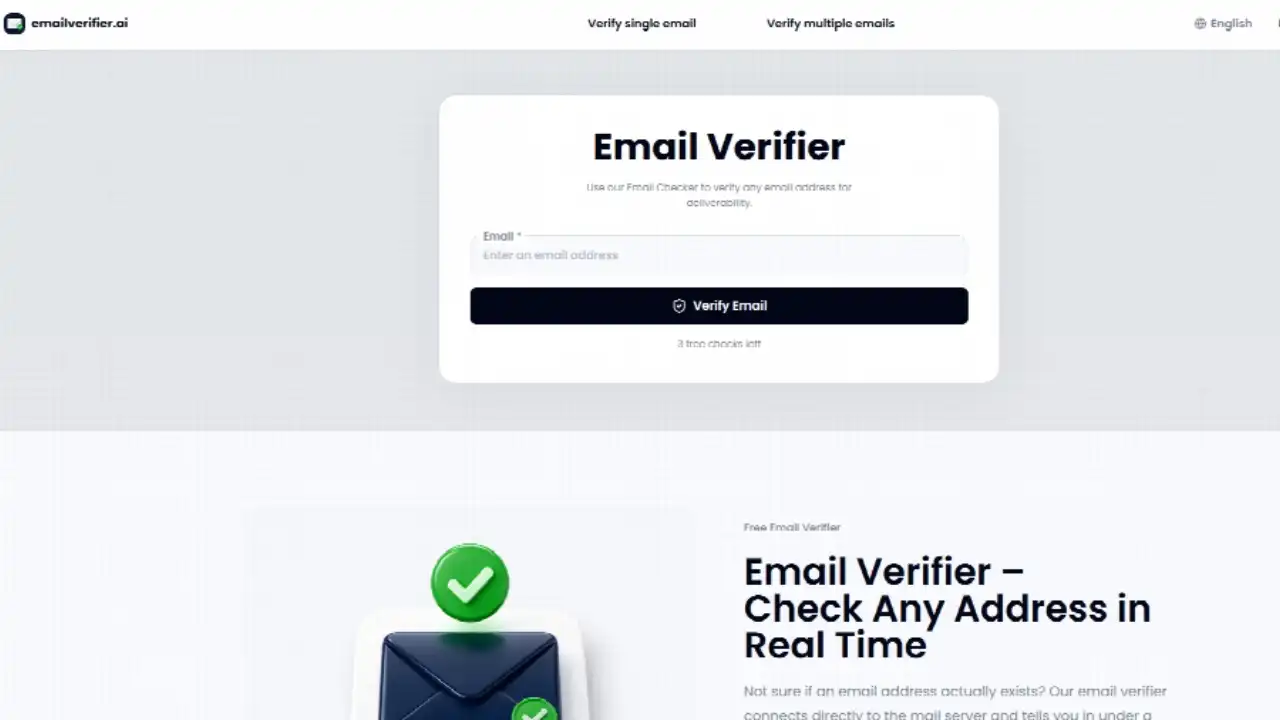
The Hidden Cost Behind Invalid Email Addresses
Email marketing often looks simple from the outside. Write a message, build a list, press send, and wait for results. But behind every campaign is a more complicated challenge: making sure the emails actually reach real people.
Over the past few years, I have noticed a common issue among small businesses, independent creators, and SaaS teams. They spend a lot of time creating newsletters, product updates, and promotional campaigns, but they often ignore the quality of their email lists.
A large email database does not always mean better results. A list filled with outdated, fake, or inactive addresses can create delivery problems and make campaign data difficult to understand.
This is where email verification becomes an important part of modern digital workflows. An Email Verifier helps users check whether an address is likely to be valid before sending messages. Instead of discovering problems after a campaign fails, creators and marketers can identify potential risks earlier and keep their lists cleaner.
Email Lists Are Changing in the Age of Automation
More Data Does Not Always Mean Better Data
Many companies focus on collecting more email addresses. They add newsletter forms, lead magnets, free trials, and customer registrations. However, growth without maintenance can create hidden problems.
Some addresses become inactive over time. Others may contain typing mistakes, temporary accounts, or domains that cannot receive emails.
According to Statista, the number of email users worldwide has reached more than 4.5 billion, showing that email remains one of the largest communication channels available today. But as the number of users grows, maintaining accurate contact information becomes increasingly important.
For marketers, this creates a simple question: Is a bigger email list actually valuable if many contacts cannot receive messages?
A Practical Example: Cleaning a Growing Newsletter List
The Problem Many Creators Face
Imagine a content creator who publishes weekly tutorials about design, software, or online business. After two years, the creator has collected 50,000 subscribers. At first, this feels like a major achievement.
But after checking campaign reports, they notice something strange: open rates are slowly decreasing, more emails are bouncing, and some campaigns perform worse than expected.
The problem may not be the content itself. The issue could be the condition of the email list.
When inactive or invalid addresses remain in a database, they can affect important metrics and make it harder to understand audience behavior. For independent creators who rely on newsletters as a direct connection with their audience, this can become a serious workflow problem.
How Email Verification Fits Into a Modern Workflow
Step 1: Check Addresses Before Sending
The easiest way to reduce email problems is to verify addresses before launching a campaign.
A verification process can analyze different signals, including whether a domain exists, whether the mailbox can receive messages, and whether an address appears risky.
Tools like Email Verifier provide a simple way to check email quality before important campaigns are sent. Instead of manually reviewing thousands of contacts, users can quickly identify addresses that may need attention.
Step 2: Improve Marketing Decisions With Cleaner Data
Clean data is not only about avoiding failed deliveries. It also improves decision-making.
When a list contains fewer invalid contacts, campaign statistics become more meaningful. For example, a newsletter with 20,000 valid subscribers gives a clearer picture than one with 30,000 subscribers where thousands of addresses are outdated.
Better data helps creators understand which topics attract readers, which campaigns create engagement, and which audiences are actually active. Email quality directly affects the quality of marketing insights.
The Technology Behind Email Verification
More Than Just Checking If an Email Exists
Many people think email verification simply checks whether an address follows the correct format. In reality, modern verification systems usually examine multiple factors.
Syntax checking is the first step. The system checks whether an email address follows standard formatting rules and identifies simple mistakes before sending.
Domain validation is another important layer. The system checks whether the email domain exists and can receive messages, helping identify addresses connected to unavailable domains.
Risk detection is also becoming increasingly important. Some addresses may look normal but still create delivery risks. Verification tools can help identify temporary emails, disposable addresses, or suspicious patterns.
This layered approach makes verification more useful than simple format checking.
Why Email Quality Will Become More Important
The Growth of AI and Automated Marketing
AI tools are making it easier than ever to create content, personalize messages, and automate communication. However, automation also increases the importance of having reliable data.
If an AI-powered marketing system works with inaccurate customer information, the output may become less effective.
The future of marketing is not only about creating more messages. It is about delivering the right message to the right person. Clean email data is becoming part of that foundation.
My View: Email Verification Is a Small Step With a Big Impact
Quality Over Quantity
Many digital strategies focus on growth numbers: more followers, more subscribers, more leads.
But sustainable growth depends on the quality of those connections.
An email list is not just a collection of addresses. It represents real people who have shown interest in a brand, creator, or service.
Maintaining that relationship starts with accurate information.
For small teams and independent creators, using an Email Verifier can be a practical way to improve their communication process without adding unnecessary complexity.
Final Thoughts
Email remains one of the most important digital communication channels, but successful email strategies depend on more than writing good messages.
A healthy list, accurate data, and consistent maintenance are equally important.
Whether you are managing a newsletter, running a SaaS product, or building a personal brand, checking email quality before sending campaigns can prevent avoidable problems.
The future of digital communication is not only about reaching more people.
It is about reaching the right people.