
 By Admin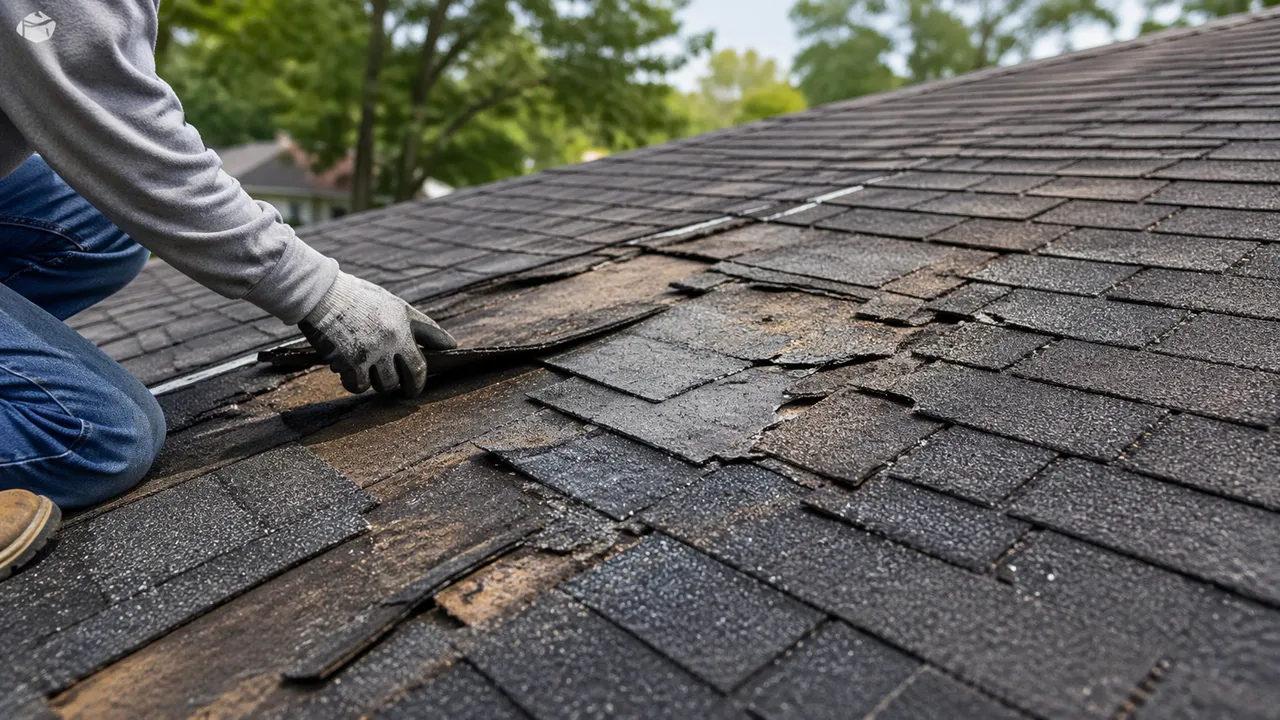
Most homeowners do not think about their roof until water is literally dripping onto the kitchen table. By then, you are usually looking at a massive bill and a lot of stress. The truth is that your roof almost always tries to tell you it is failing long before that first drop falls. If you live in an area with harsh winters or high winds, finding reliable roof repair Heber City professionals early can save you thousands of dollars in structural damage. Catching the small stuff today is the only way to avoid the big disasters tomorrow.
The Mystery of the Missing Granules
If you have asphalt shingles, you should pay close attention to your gutters. When shingles get old or suffer from extreme heat, they start to lose the tiny sand-like pebbles that protect them from the sun. You might see what looks like dark sand piling up near your downspouts after a rainstorm. This is a huge red flag because those granules are the only thing standing between the sun’s rays and the waterproof layer of your roof. Once they are gone, the shingles become brittle and crack. If your gutters look like a beach, your roof is basically running on borrowed time.
Shingles That Look Like They Are Curling
Take a walk out into your yard and look up at the edges of your roof. Shingles should lie flat against each other. If you see the corners turning upward or the middle part of the shingle starting to hump up, you have a problem. This usually happens because of poor attic ventilation or just plain old age. When shingles curl, they are no longer shedding water properly. Instead, they allow wind to catch them and rip them off. They also let water seep underneath, where it can rot the wood decking. If it looks like your roof is growing scales, it is time to call in an expert.
That Annoying Moss and Algae Growth
A lot of people think a little bit of green moss on the roof looks charming or rustic. In reality, moss is a sponge that holds moisture against your roof for weeks at a time. This constant dampness leads to rot and can even cause your shingles to lift up. Algae is less damaging but still indicates that moisture is sticking around longer than it should. While you can sometimes clean this off, you need to be careful not to damage the shingles in the process. If you see thick clumps of moss, there is a good chance the material underneath is already starting to soften.
Light Peeking Through the Attic
One of the easiest ways to check your roof is to head up into the attic on a sunny day. Turn off all the lights and look toward the peak of the roof and the eaves. If you see actual pinpricks of daylight coming through the boards, you have a hole. It might be small enough that surface tension keeps the water out during a light drizzle, but a heavy storm will eventually find its way in. While you are up there, look for dark streaks or staining on the wood. These are “ghost” leaks that happen when water gets in but evaporates before it hits your ceiling.
Damaged or Rusted Flashing
Flashing is the metal material used to seal the “breaks” in your roof, like around the chimney, vents, or where two roof lines meet. This is actually the most common place for leaks to start. Over time, the caulking dries out, or the metal begins to rust and pull away from the wall. If you see gaps or cracked sealant around your chimney, do not wait for a storm to test it. Water will follow those metal tracks straight into your walls, causing mold and drywall damage that is incredibly expensive to fix compared to a simple flashing repair.
Sagging Roof Lines
This is perhaps the most serious sign on the list. If you look at the ridge of your roof and it looks like it has a “swayback” or a dip in the middle, you are looking at potential structural failure. This often happens because of long-term water damage that has weakened the rafters or the decking. It can also happen after a particularly heavy snow season if the roof was not built to handle that weight. A sagging roof is not just a leak risk; it is a safety hazard that needs immediate professional attention before the weight of the next storm causes a collapse.
Final Word
Ignoring the small warning signs on your roof is a gamble that rarely pays off. By the time you see a brown spot on your ceiling, the wood inside your home has likely been wet for months. Taking a few minutes every spring and fall to inspect your shingles and gutters can help you stay ahead of the curve. If you notice any of these red flags, reaching out for roof repair Heber City services is the best way to protect your investment. A little maintenance now keeps your home dry and your wallet full in the long run. For more information, visit our website.
 admin
admin