
 By Admin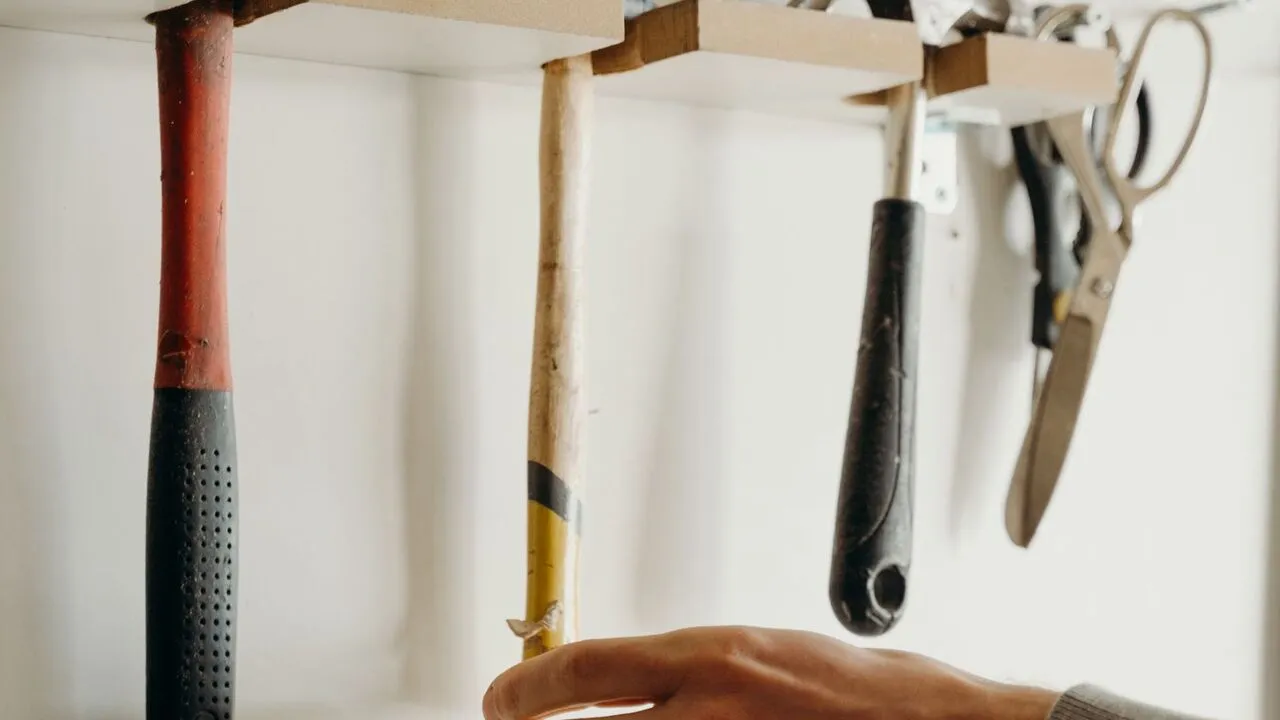
Most homes don’t suddenly feel comfortable because of big upgrades. It’s rarely the new sofa or the freshly painted wall that makes the real difference. It’s the smaller things.
A cupboard door that finally closes properly instead of hanging slightly off. A shelf that stops shaking every time something is placed on it. A picture frame that doesn’t tilt a little more each week until someone eventually straightens it. These are the kinds of details that don’t really get noticed… until they start going wrong. And when they do, they become surprisingly irritating. That’s usually when a simple set of tools ends up mattering more than expected.
The Work That Shows Up Without Warning
No one really schedules home repairs in advance. It’s almost always something that “just happens”.
A screw loosens over time. A hinge gives up slowly. A drawer starts sticking only on colder days, then suddenly it’s every day. A chair develops a wobble that everyone feels, but no one mentions at first. These aren’t big problems on their own. But they add up in a quiet way, and the house starts feeling slightly off.
Most of them don’t need special skills or experience. They just need the right tool to be nearby instead of buried somewhere you don’t feel like digging into. A basic set usually ends up covering most situations: a tape measure, hammer, screwdrivers, pliers, adjustable wrench, and a level. And strangely enough, those are the tools that end up being used the most.
Small Fixes Change the Mood of a Space
There’s something interesting about minor repairs; they don’t feel important while they’re being ignored, but once they’re fixed, the difference is immediate.
A loose kitchen handle gets tightened, and suddenly the whole cupboard feels newer. A squeaky door is oiled, and the room feels quieter without anyone consciously noticing why. Even a slightly crooked shelf, once corrected, makes a space feel more “put together”.It’s just that the constant small annoyances disappear. And that changes how a home feels day to day more than most people realise.
Using the Right Tool Saves More Trouble Than Effort
Almost every home has that one moment where the wrong tool gets used because it’s “good enough”.A knife used as a screwdriver. A drill bit that’s technically too small but gets forced anyway. It works sometimes. But often it just creates a second problem later.
For anything involving woodwork, shelving, or fitting furniture properly, having the right equipment matters more than pushing harder. That’s especially true when accuracy is involved. Clean holes, proper alignment, and stable fittings all depend on using tools designed for the job. For example, quality tools for boring holes make a noticeable difference when working with timber or cabinets, especially when things need to line up properly the first time.
The irony is that better tools don’t always make the work faster. They just reduce the number of things that need fixing afterwards.
DIY Feels Simpler Than It Used To
There was a time when even small home tasks felt like a serious project. Heavy tools, complicated setups, and a general sense that it might go wrong easily. That’s changed quite a bit.
Modern cordless tools are lighter, easier to handle, and far more practical for everyday use. Things like putting up shelves or assembling furniture don’t feel like “weekend projects” anymore, more like quick tasks that get done when there’s a spare hour.
Still, there’s a trap here too. It’s easy to end up collecting tools that never really get used. Most homes don’t need everything. They just need a few reliable pieces that actually solve real problems.
Most Mistakes Happen Before the Work Starts
Ask anyone who does DIY regularly, and they’ll usually say the same thing: the problems rarely happen during the work itself. They happen before it.
Measurements guessed instead of checked properly. A wall drilled without confirming what’s behind it. Instructions ignored because the job “looks simple enough”. And then halfway through, things don’t line up, and everything slows down.
Taking a bit more time at the start usually avoids most of that. Not rushing the setup, double-checking spacing, and actually reading what’s in the box- these small things prevent most of the frustration later. Even basic safety gear gets overlooked for quick jobs, even though that’s usually when accidents are most likely.
Homes Stay Comfortable Through Maintenance, Not Perfection
A well-kept home isn’t really a perfect one. It still has scratches, slightly worn edges, and paint that’s been touched up in places. But it works.
Doors open properly. Nothing creaks for months without being looked at. Small issues don’t sit around long enough to become big ones. That’s really what maintenance is – not fixing everything at once, but noticing small things before they grow.
In the end, comfort at home isn’t created in one big moment. It builds slowly, through small fixes that barely feel important at the time. A tightened screw here, a straightened shelf there, a quick adjustment on a weekend afternoon. And over time, those small things change everything. For more information, visit our website.
 admin
admin