
 By admin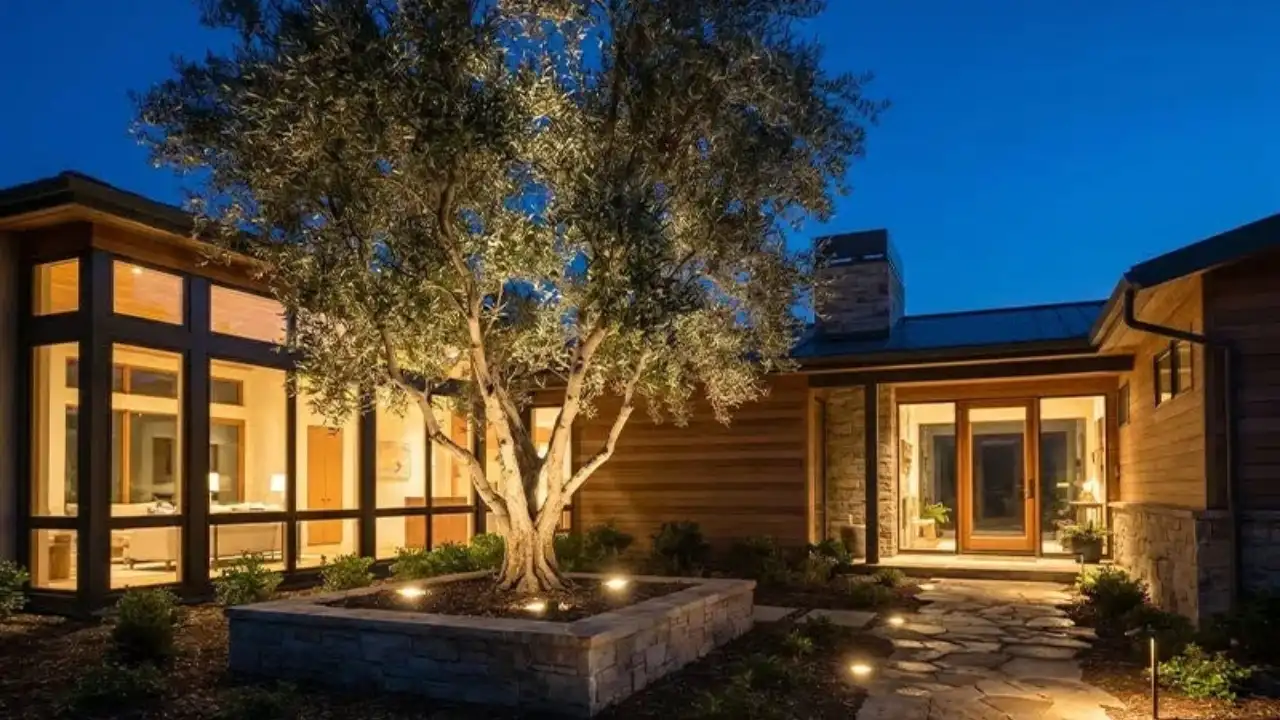
A yard can feel completely different after sunset. Paths become less obvious, steps and edges are harder to see, and attractive landscaping can disappear into darkness. Thoughtful outdoor lighting solves these practical problems while also giving the property a calmer, more welcoming appearance.
Two useful fixtures for this job are well lights and post cap lights. They work in different ways: well lights create low-profile illumination from the ground, while post cap lights mark boundaries and elevated features. Used together, they can add depth, guide movement, and make decks, fences, gates, and garden areas feel connected rather than isolated.
Begin With the Way People Move Through the Yard
Before choosing fixtures, walk through the outdoor space and identify the routes people actually use. Start at the driveway, gate, or back door and continue toward the patio, deck, garden, or pool area. Notice steps, turns, changes in level, narrow passages, and places where the path becomes difficult to follow.
Lighting should clarify this journey without turning the yard into a brightly lit commercial space. The most comfortable plans use small amounts of light in several purposeful locations. A softly illuminated tree can establish direction, a glowing fence post can mark the edge of a deck, and a low path light can reveal a change in level.
Use Well Lights to Highlight From Below
Installed at or near ground level, well lights are easy to conceal within planting beds, gravel, lawns, and hardscape areas. Their low profile keeps the fixture itself from dominating the view. Instead, attention goes to the illuminated tree, wall, column, or architectural detail.
Strategically placed Well Lights can reveal the structure of a garden after dark. A narrow upward beam may emphasize the trunk and canopy of a mature tree, while a wider wash can bring out the texture of stone or brick. Lighting a few carefully selected features also creates visual landmarks that make a large yard easier to understand at night.
Let Post Cap Lights Define Edges and Gathering Areas
Posts already create a visual rhythm along decks, fences, gates, and railings. Adding light at the top makes these structures useful guides after dark. The repeated glow can outline a boundary, indicate an entrance, or help people understand the shape of an outdoor entertaining area.
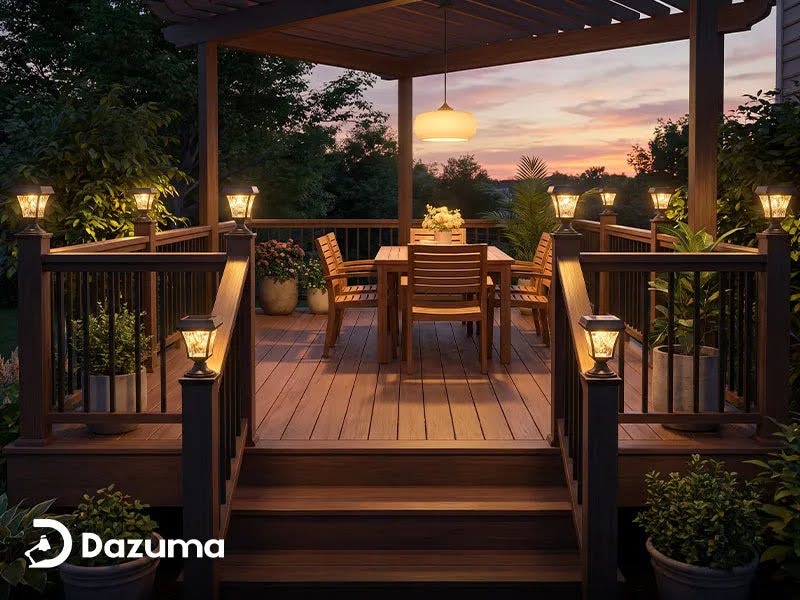
Homeowners can use Post Cap Lights to improve visibility without relying on a single high-output floodlight. On a deck, they can show where the railing begins and ends. At a gate, a pair of illuminated caps creates a clear welcome point. Along a fence, selectively lighting corners and changes in direction is often more effective than placing an equally bright light on every post.
Combine the Two Lighting Layers
Well lights and post cap lights work best when their roles are distinct. Ground-level uplighting adds height and drama to plants or architecture. Elevated post lighting establishes boundaries and provides a steady visual rhythm. Together, they lead the eye through the yard at more than one level.
For example, well lights can highlight two trees near the entrance to a garden, while post cap lights identify the gate between them. Around a raised deck, illuminated posts can mark the perimeter as ground-level fixtures reveal nearby landscaping. The result feels more complete than using either layer alone.
Avoid installing every fixture at maximum brightness. When post caps, well lights, wall lights, and path lights all compete, the yard loses its sense of hierarchy. Decide what should be noticed first, then keep supporting areas slightly softer.
Choose a Consistent Light Color
Color temperature plays a major role in how comfortable an outdoor space feels. Warm white light generally complements timber, brick, stone, and green planting, making it a natural choice for residential gardens and decks. Cooler light can create a sharper appearance, but mixing noticeably different colors within one view may make the design feel unplanned.
Control Glare and Protect the View
A light source should help people see the yard, not become the only thing they can see. Well lights need careful aiming so the beam reaches the intended feature rather than shining toward windows or seating areas. Post cap lights should diffuse or direct their output so that people standing nearby are not looking into an uncomfortable bright point.
After installation, evaluate the lighting from several perspectives. Walk toward the house, look out from interior rooms, and sit in the outdoor areas used most often. A small change in angle or brightness can reduce glare while preserving the intended effect.
Plan for Weather, Wiring, and Maintenance
Outdoor fixtures must suit the conditions they will face. Ground-level locations may be exposed to rain, irrigation, soil, leaves, and standing moisture. Post caps encounter sun, wind, and temperature changes. Check that each fixture is intended for its planned location and follow its installation requirements.
Wired systems need a safe power plan, protected connections, and suitable cable placement. If new outdoor wiring or circuit work is required, use a qualified electrician. Solar post caps may simplify some installations, although their performance depends on access to sunlight and the condition of their batteries.
Maintenance should also influence placement. Keep lenses accessible for cleaning, trim plants that block beams, and periodically check that fixtures remain properly aimed. A lighting plan that is easy to maintain will continue to look intentional as the garden grows.
Create a Yard That Feels Good After Dark
Effective outdoor lighting does not try to illuminate every square foot. It reveals enough information to make movement easier and uses selected highlights to give the yard character. Well lights contribute depth from below, while post cap lights define the structures that organize the space.
Start with the routes people use, identify the most important features, and build the design in layers. Keep brightness comfortable, maintain a consistent light color, and check the view from both inside and outside the home. With a measured approach, these two fixture types can make an ordinary yard safer, more welcoming, and far more enjoyable after sunset.
 Admin
Admin