
 By admin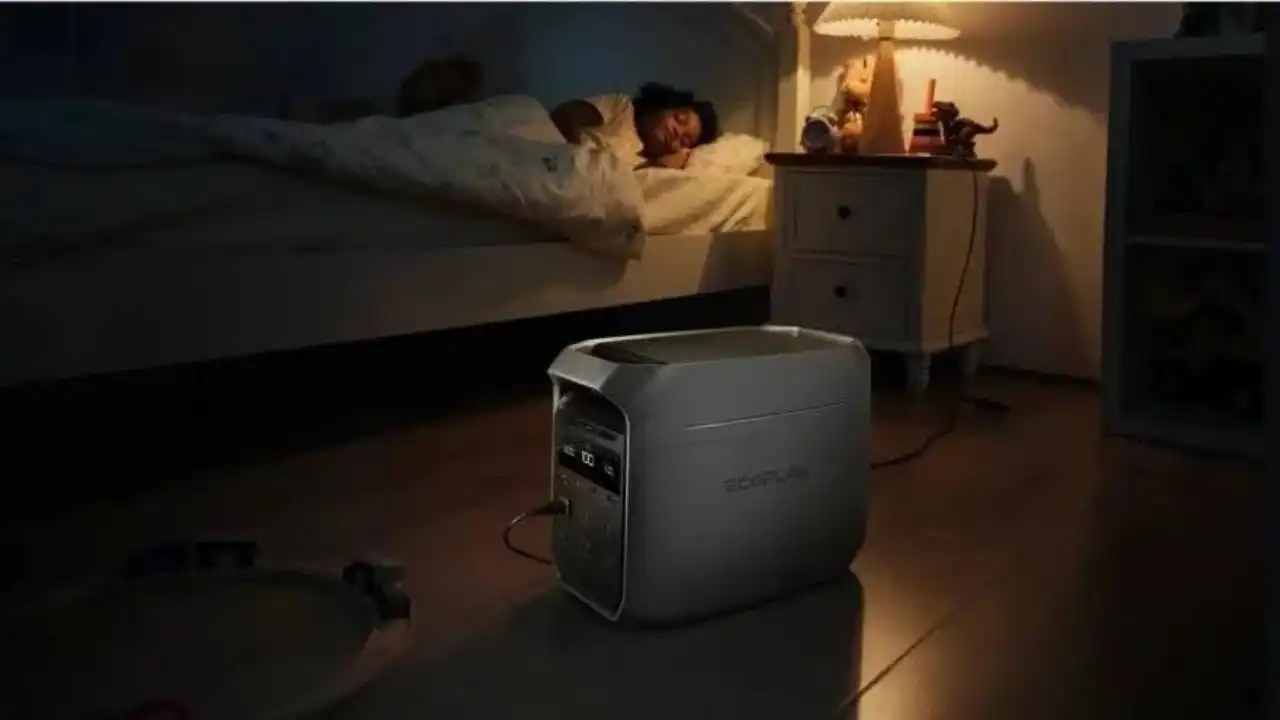
Portable power stations are not completely silent, but many are quiet enough for bedrooms, tents, RVs, and home backup use. The sound you hear usually comes from cooling fans, internal electronics, or charging activity rather than from any engine or fuel-powered component. That makes them far quieter than traditional generators. For most people, the real question is not whether a power station makes any noise at all, but when it becomes noticeable. Understanding what creates that sound helps you choose a quieter unit and use it in ways that keep noise to a minimum.
What Causes Noise in a Power Station?
Cooling Fan Noise Under Load
The main source of portable power station noise is the cooling fan. As the unit delivers more power, internal components generate heat, and the fan turns on to keep battery cells, circuitry, and the inverter within safe operating temperatures. Fan speed often rises with heavier loads, longer runtimes, or warmer room conditions, which makes the sound more noticeable. This is why a power station can seem nearly silent while charging a phone, then become easier to hear when running appliances. In most designs, the fan is normal and necessary. It protects performance, supports battery health, and prevents heat-related stress during operation.
Inverter and Electrical Hum Sounds
Some noise also comes from the inverter and other electrical components. When a portable power station converts stored battery power into usable AC electricity, internal circuits can create a faint hum, coil noise, or soft high-frequency sound. This is usually much quieter than fan noise, but in a very quiet room it may still be noticeable, especially at night. The intensity can change depending on the type of appliance connected and how much power is being drawn. Well-designed units keep this sound low during normal use. Unlike a mechanical engine, these electrical sounds are subtle, steady, and generally less disruptive indoors.
When Do Portable Power Stations Get Noisy?
High Power Output Situations
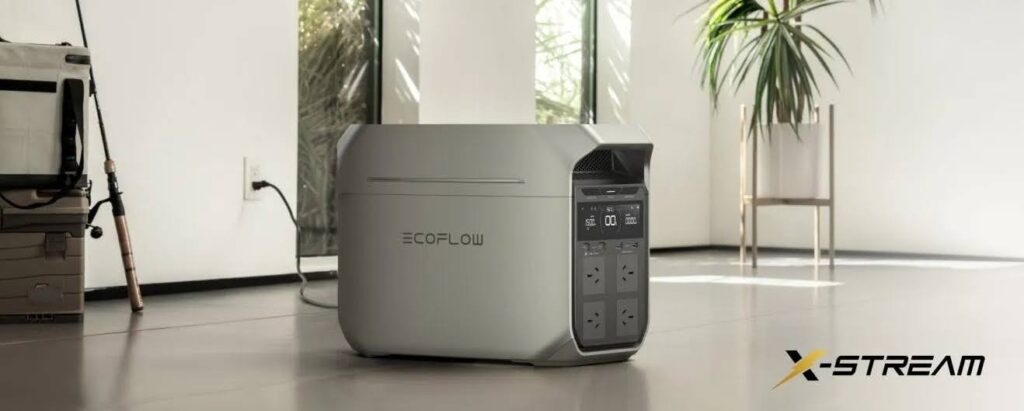
Portable power stations get louder when they supply higher wattage for longer periods. Running devices such as electric kettles, microwaves, heaters, hair dryers, or power tools pushes the inverter and battery system harder, which creates more heat and triggers faster fan operation. Noise can also increase when several smaller devices run at the same time and raise total output. Under light loads, many models stay very quiet. The EcoFlow DELTA 3 Plus Portable Power Station operates silently under 600W, blending seamlessly with ambient noise at 30 dB. That makes it well suited for indoor use or inside a tent without disturbing sleep.
Fast Charging and Heat Conditions
Charging can be another noisy period, especially during fast AC charging. Rapid charging moves a large amount of energy into the battery in a short time, which raises internal temperatures and prompts the cooling system to work harder. You may notice more fan activity while recharging from a wall outlet than during light everyday use. Hot weather, direct sunlight, enclosed spaces, or poor ventilation can make this more obvious because the unit has to remove heat less efficiently. Even a quiet power station can sound more active in these conditions. Keeping airflow clear helps the system cool itself with less fan intensity.
Are Portable Power Stations Silent at Night?
Portable power stations are not perfectly silent at night, but many are quiet enough that they fade into the background during low-demand use. If you are only charging phones, running a CPAP, powering a router, or using small lights, fan activity may stay minimal, and the sound can be barely noticeable. Nighttime makes any noise seem louder because surrounding ambient sound drops, so even a soft hum can stand out more than it does during the day. For sleep-friendly use, choose a model designed for low-noise operation and keep loads modest. Proper placement also makes a noticeable difference in perceived sound overnight.
How to Reduce Noise Even Further?
Placement and Surface Tips
Where you place a portable power station affects how loud it seems. Set it on a stable, hard, level surface with open space around the vents so air can move freely. Avoid pushing it against walls, inside tight cabinets, or onto hollow furniture that can amplify vibration. If the floor transmits sound, place the unit on a dense mat or other non-slip surface that helps reduce resonance without blocking airflow. Keeping some distance between the power station and your bed, chair, or work area also lowers perceived noise. Simple placement changes often make a quiet unit seem even less noticeable during regular indoor use.
Load and Temperature Management
Managing power demand is one of the best ways to keep a portable power station quieter. Use lower-wattage devices when possible, avoid stacking several heavy loads at once, and unplug appliances that do not need to run continuously. If your unit offers charging or performance settings, choose a standard mode instead of the fastest available option when noise matters more than speed. Keep the station in a cool, shaded, well-ventilated area so the fan does not have to work as hard. Clean vents regularly and check for dust buildup. Lower heat and lighter loads usually lead to steadier, quieter performance over time.
Conclusion
Portable power stations are not truly silent, but they are often quiet enough for indoor comfort, camping, and overnight backup use. Most of the sound comes from cooling fans and normal electrical operation, with noise increasing during heavy output, fast charging, or hot conditions. The key takeaway is simple: low loads usually mean low noise. If you want the quietest experience, choose a low-noise model, place it carefully, and manage heat and power demand. With the right setup, a portable power station can stay unobtrusive even in spaces where silence matters most.
 Admin
Admin