
 By admin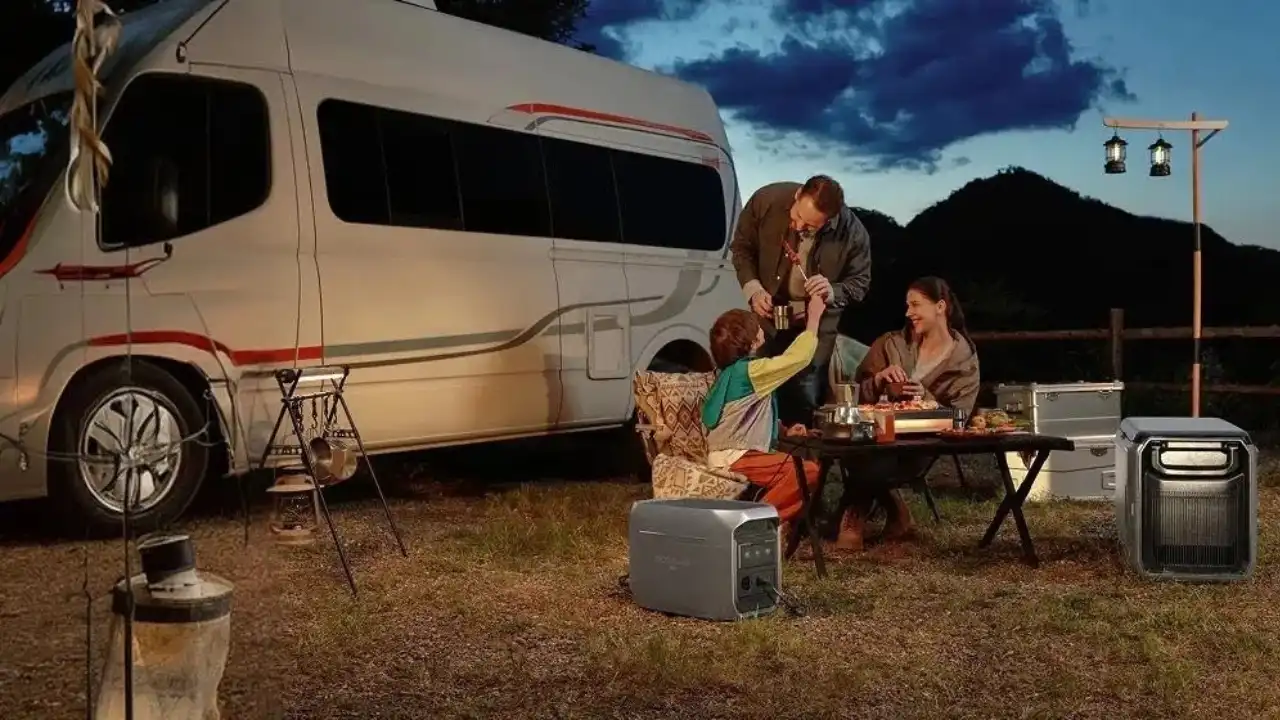
A portable power station for camping makes outdoor trips more comfortable when you plan your setup carefully. Instead of guessing how much battery you need, start by matching your power source to your actual gear, daily habits, and trip length. That approach helps you avoid running out of energy for essentials like lights, phones, cooking accessories, or small medical devices. A smart setup also improves safety by keeping cables organized, protecting the unit from heat and moisture, and using the right charging method for the conditions. Whether you camp for one night at a drive-up site or stay off-grid for several days, the goal is simple: carry enough power without adding unnecessary weight. With a few practical decisions before you leave, you can build a dependable camping power system that stays efficient, easy to use, and ready throughout your trip.
Plan Your Camping Power Needs Before You Pack
List the Devices You Need to Power
Write down every device you expect to use, then group them by priority. Essentials often include phones, headlamps, lanterns, GPS units, air pumps, fans, cameras, and small medical equipment. Comfort items might include speakers, tablets, coffee gear, or a laptop. Next, note each device’s wattage and how many hours per day you expect to use it. A 10W light used for five hours needs far less energy than a 60W cooler running throughout the day. Also check whether each item uses AC, DC, USB-A, or USB-C output, because that affects how efficiently your portable power station distributes power. This simple list gives you a clear daily energy picture and prevents avoidable surprises at camp.
Match Battery Capacity to Your Trip Length
Once you know your devices, total their estimated daily watt-hours and multiply by the number of days you plan to camp. Then add a practical reserve so you are not using the battery down to the last few percent. That buffer helps with colder weather, longer lighting needs, or extra phone charging. For a one-night trip, a compact unit may handle lights, phones, and a fan easily. For a weekend or multi-day stay, you need enough capacity to support repeated use and overnight essentials. If your route includes driving between campsites, vehicle recharging can reduce the battery size you need to bring. If you will remain stationary, plan more carefully. Matching battery capacity to trip length keeps your setup efficient and gives you reliable power without carrying more weight than necessary.
Build a Safe and Efficient Camping Power Setup
Choose the Best Location and Cable Layout
Set your portable power station on a flat, dry, and shaded surface with good airflow on all sides. Avoid placing it directly on wet ground, near a fire source, or inside a sealed tent where heat can build up. A covered table, vehicle tailgate area, or ventilated shelter works well. Keep the unit close enough to your main devices to reduce cable clutter, but far enough from walkways to prevent trips and unplugged cords. Run cables along the edge of your setup instead of across open ground, and coil extra length neatly rather than leaving it loose. Use DC or USB outputs for compatible devices when possible, since that can be more efficient than running everything through AC. A tidy cable layout protects your gear and makes daily charging easier to manage.
Add Solar Charging for Longer Outdoor Stays
Solar charging is one of the most practical ways to extend runtime during multi-day camping trips. It works best when you position the panels in direct sunlight and adjust their angle as the sun moves. Even a well-sized battery can drain quickly if you run fans, lights, and electronics every day, so solar input helps replace what you use instead of relying only on stored capacity. Set panels away from tree shade, and keep connectors clean and secure. Start charging early in the day to capture the strongest sunlight hours, and avoid waiting until the battery is nearly empty. If your campsite gets partial sun, use solar mainly to support essential loads rather than high-draw appliances. With the right placement and realistic expectations, solar charging makes your portable power station for camping much more useful on longer off-grid stays.
Get More Runtime From Your Portable Power Station
Reduce Energy Waste With Smart Usage Habits
Use only the outputs you need, and switch off unused ports or appliances as soon as charging is complete. Recharge smaller electronics during daylight if you are using solar, so the battery carries less of the overnight load. Dim adjustable lights, use fans on lower settings, and avoid running high-watt devices longer than necessary. Pre-chill coolers or electric accessories before leaving home instead of making the power station handle the full startup demand at camp. Keep devices out of extreme heat, since higher temperatures can affect battery efficiency and increase power draw from cooling gear. These small habits reduce waste, stretch available energy, and help your camping power system stay stable through the entire trip.
Select the Right Portable Power Station for Camping
Choose a model based on actual use, not just the biggest number on the box. For camping, prioritize enough battery capacity for your daily watt-hour needs, the right mix of AC, DC, USB-A, and USB-C ports, and charging options that fit how you travel. Fast wall charging is useful before departure, while car and solar input matter more for longer stays. Weight and carry design also matter because a station that is hard to move often ends up poorly placed. Look for a durable unit with clear battery monitoring and stable output for sensitive electronics. If you camp regularly, a portable power station with efficient energy management and straightforward recharging will serve you better than an oversized unit that adds bulk without improving your actual setup.
Conclusion
A portable power station for camping works best when you treat it as part of a complete system rather than a single piece of gear. Start by identifying what you truly need to power, estimate daily energy use, and match battery capacity to the length of your trip. From there, build a setup that supports safe operation with thoughtful placement, clean cable routing, and protection from heat, moisture, and unnecessary strain. If you plan to stay out longer, solar charging can add meaningful flexibility and reduce the pressure on stored battery capacity.Good results also come from everyday habits. Charging devices at the right time, avoiding waste, and limiting high-draw equipment can make a moderate-sized unit perform far better than expected. Just as important, choosing the right portable power station means balancing capacity, outputs, recharging options, and portability around how you actually camp.
 Admin
Admin