
 By admin
There’s a reason experienced pond keepers say that the filter is just as important as the pond itself. For anyone new to water gardening or thinking about creating their first outdoor water feature, this might seem like an exaggeration. Surely the pond is the main event, the water, the fish, the plants, the whole living picture. But spend a season managing one without proper filtration, and that perspective shifts quickly.
The relationship between a pond and filter is not just practical, it’s biological, chemical, and deeply connected to the long term health of every creature that calls the water home. Understanding this relationship from the ground up is what separates ponds that flourish from those that frustrate.
A Pond Is a Living System
Before talking about filtration, it helps to appreciate what a pond actually is. It is not a decorative container filled with water. It is a dynamic, living ecosystem with its own food chains, biological cycles, and chemical processes running simultaneously beneath the surface.
Fish produce ammonia through their waste. Organic matter, including leaves, uneaten food, and decaying plant material, breaks down and releases compounds into the water. Algae compete for nutrients. Beneficial bacteria work to convert toxic substances into less harmful ones. Rain introduces new minerals. Evaporation concentrates existing ones. All of this is happening constantly, whether you are watching or not.
Left entirely to its own devices, a pond will reach a natural equilibrium of sorts, but not necessarily a healthy one. The balance in a natural lake or river is maintained by vast volumes of water, natural filtration through soil and sediment, and the dilution that comes with size. A garden pond has none of these luxuries. It is a small, enclosed system that accumulates problems quickly unless those processes are actively supported.
What Filtration Actually Does
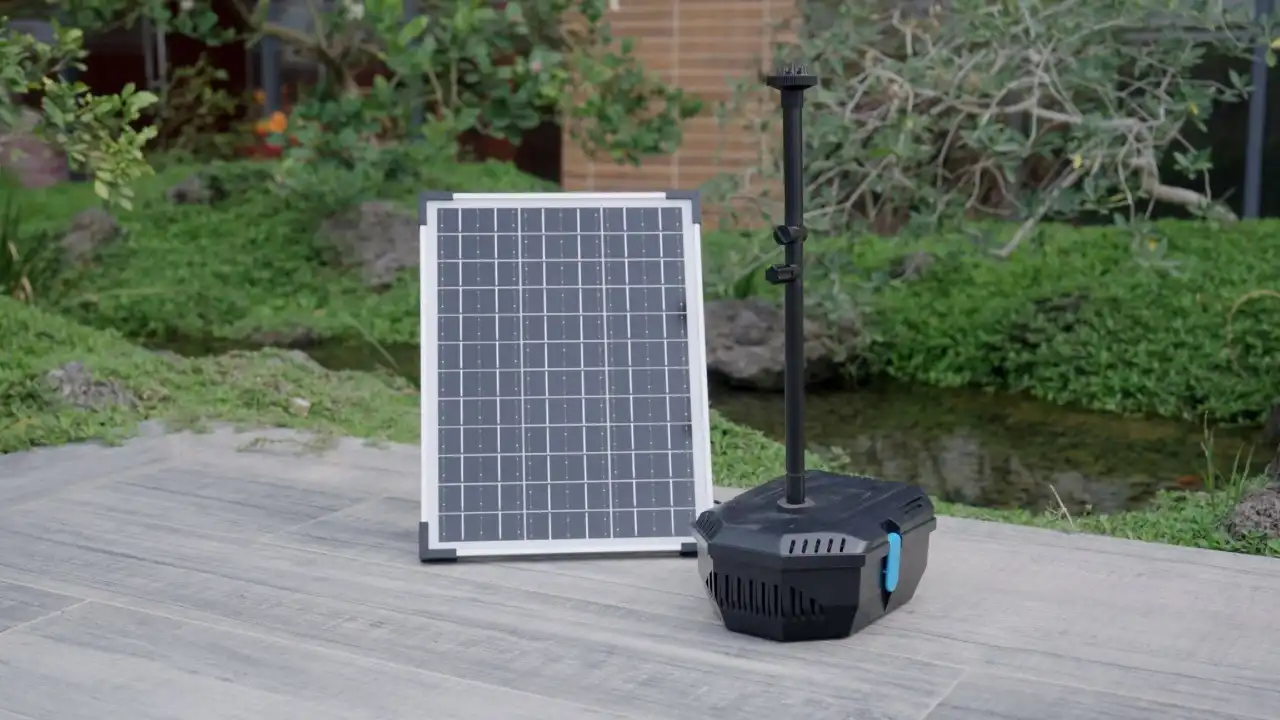
When people talk about a pond and filter in the same breath, they are recognizing that the two must function together as a unit. A pond without a filter is like a body without a liver. Things might work for a while, but the buildup of waste eventually overwhelms the system.
Pond filtration works across multiple stages, each targeting a different type of problem.
Mechanical filtration is the most visible and intuitive stage. Physical media such as sponges, brushes, and settlement chambers trap solid particles suspended in the water. Fish waste, algae, dead plant matter, and debris are all captured before they can break down and release further toxins. This stage needs regular cleaning to remain effective, but it is the foundation that allows everything else to function.
Biological filtration is where the real science happens. Beneficial bacteria, primarily Nitrosomonas and Nitrobacter species, colonize the filter media and perform the nitrogen cycle. They convert ammonia into nitrites, and then nitrites into nitrates, which are far less toxic and can be absorbed by aquatic plants as fertilizer. Without this bacterial colony, ammonia builds up rapidly and becomes lethal to fish. The biological filter is essentially a managed bacterial ecosystem living inside your filter unit, invisible, indispensable, and sensitive to disruption.
Chemical filtration, less commonly used but valuable in specific situations, involves media such as activated carbon or zeolite that absorb dissolved compounds, medications, or pollutants that biological and mechanical filtration cannot address.
Why the Pond and Filter Must Be Matched
One of the most important principles in pond keeping is that the pond and filter must be properly matched to each other. This is not about buying the most expensive option available. It is about understanding capacity and biological load.
The biological load of a pond is determined by how many fish are present, how large they are, how frequently they are fed, water temperature, and seasonal fluctuations. Warmer water increases fish metabolism, meaning they eat more, produce more waste, and demand more from the filtration system. A filter sized for a lightly stocked pond in spring may be completely overwhelmed by the same pond in the height of summer.
As a general principle, it is always better to install a filter rated for a larger volume than your pond’s actual size. This provides a buffer during periods of high biological activity and reduces the risk of water quality crashes that can kill fish with alarming speed.
The Cycling Process, Patience Before Performance
New pond owners often make the mistake of introducing fish before the filtration system is ready to support them. A new filter contains no beneficial bacteria. That colony needs to develop over several weeks in a process called cycling. During this period, ammonia levels spike, then nitrite levels rise, before the bacterial population stabilizes and water chemistry normalizes.
Understanding this process is crucial. Introducing fish to an uncycled pond and filter system is one of the most common causes of early fish loss. Patience during the initial setup period pays enormous dividends later in the form of stable, healthy water that requires far less intervention.
Signs Your Filtration Needs Attention
Even a well established pond can show signs that its filtration is struggling. Green or murky water that does not clear despite good sunlight is often a signal that biological filtration is underperforming. Fish gasping at the surface indicates low oxygen, frequently caused by high organic load overwhelming the system. A persistent unpleasant odor suggests anaerobic decomposition, organic matter breaking down without oxygen and producing hydrogen sulfide.
These are not problems to simply tolerate. They indicate that the balance between pond and filter has been disrupted and needs to be restored, whether through increased maintenance, upgrading the filter capacity, or adjusting stocking levels.
Long Term Rewards of Getting It Right
When the relationship between a pond and filter is working as it should, the results are genuinely rewarding. The water runs clear. Fish are active, colorful, and growing well. Plants thrive. Wildlife visits. Maintenance becomes manageable rather than relentless.
A well filtered pond is not a static achievement. It is an ongoing practice. But once you understand the principles and put the right systems in place, it becomes less about fighting problems and more about maintaining something beautiful. That is the quiet satisfaction every pond owner is ultimately searching for.
For more informative articles, visit our site daily.
 Admin
Admin