
 By admin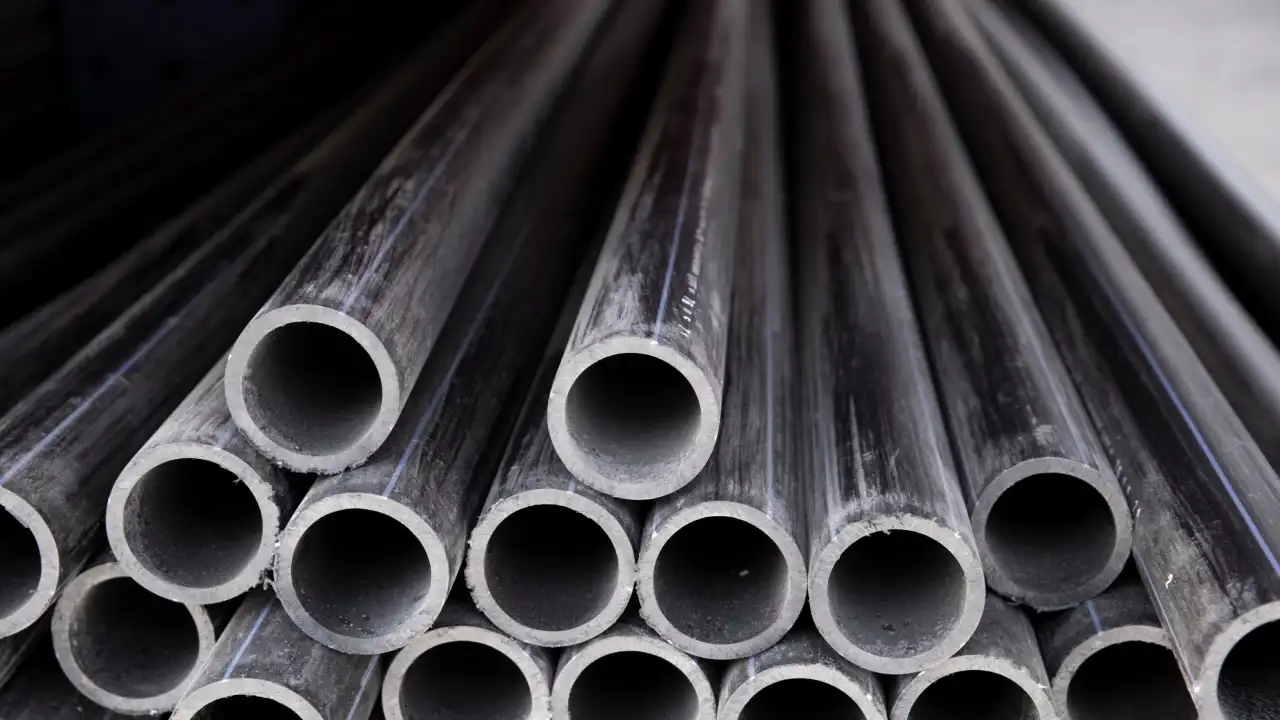
Carbon steel is one of the most common materials used in pipes, buildings, tools, and machines. It is basically iron mixed with a small amount of carbon. This simple mix gives it many useful features, but it also has some drawbacks. In this article, we look at the pros and cons of carbon steel in clear and simple terms. We will help you understand when it is a good choice and when you might need something else.
What is Carbon Steel?
Carbon steel is a type of steel where the main added element is carbon. The carbon content usually ranges from 0.05% to 2.1%. Low carbon steel has less than 0.3% carbon, medium has 0.3% to 0.6%, and high carbon steel has more than 0.6%.
This material is widely used because it is easy to produce and shape. Factories make carbon steel pipes, plates, bars, and sheets for many industries like construction, oil and gas, water transport, and manufacturing. Its properties change based on the carbon level and any heat treatment applied.
Many people choose carbon steel for projects that need strength at a reasonable price. However, it is important to know both sides before deciding.
Main Pros of Carbon Steel
Carbon steel has several strong advantages that make it popular across different fields.
First, it is very strong and durable. Carbon steel can handle heavy loads and daily wear without breaking easily. This makes it great for pipelines, building frames, and heavy equipment. The added carbon increases hardness and tensile strength compared to pure iron.
Second, carbon steel is affordable. It costs less than stainless steel or other special alloys. For large projects like building bridges or laying long pipelines, the lower price helps keep the total budget under control. You get good performance without spending too much.
Third, it is easy to work with. You can cut, weld, bend, and shape carbon steel using standard tools and methods. This saves time during fabrication and installation. Welders like working with it because it flows well when heated.
Another big plus is its versatility. Carbon steel comes in many grades and forms. You can find thin sheets for cars or thick pipes for oil transport. Different heat treatments can make it softer for forming or harder for cutting tools.
Carbon steel is also recyclable. At the end of its life, you can melt it down and use it again with almost no loss in quality. This makes it a more environmentally friendly choice for many companies.
Finally, carbon steel has good heat conductivity. It transfers heat well, which is useful in some industrial processes and heat exchangers.
Main Cons of Carbon Steel
While carbon steel has many benefits, it also comes with some limitations that you need to consider.
The biggest downside is that it rusts easily. Carbon steel reacts with water and oxygen to form rust. This can weaken the material over time and cause leaks in pipes or damage to structures. In wet, humid, or salty environments, you must apply coatings, paint, or galvanizing to protect it. Without protection, maintenance costs can rise quickly.
Another con is its weight. Carbon steel is quite heavy compared to materials like aluminum. This extra weight can make transport more expensive and put more load on supporting structures. For projects where weight matters, such as in some vehicles or aircraft, lighter materials may be better.
High carbon steel can be brittle. While it is hard, it may crack under sudden impacts or stress instead of bending. This makes it less suitable for areas with earthquakes or frequent shocks unless properly designed.
Carbon steel also has limits with temperature. In very high heat, it can lose strength. In extremely low temperatures, some types become more brittle. This restricts its use in certain chemical plants or cold climates without special treatments.
It needs regular maintenance. To stop corrosion, you have to inspect and repaint surfaces often. This takes time and money, especially for outdoor or underground installations.
Lastly, carbon steel is not ideal for applications needing high corrosion resistance or a clean appearance. For food processing, medical equipment, or coastal buildings, stainless steel or other alloys often perform better despite higher cost.
Comparing Low, Medium, and High Carbon Steel
Different carbon levels give different pros and cons.
Low carbon steel is soft and easy to shape. It has good ductility and is less likely to crack. However, it is not as strong as higher carbon types. It is common in car bodies and general construction.
Medium carbon steel offers a good balance. It is stronger than low carbon but still workable. Many machine parts and shafts use this type.
High carbon steel is very hard and holds a sharp edge well. It works great for knives, springs, and drills. But it is more brittle and harder to weld.
Choosing the right type depends on your specific needs.
Common Applications of Carbon Steel
You will find carbon steel in many places. It is widely used for water and gas pipelines because of its strength and low cost. Construction companies use it for beams and columns. Car manufacturers use it for frames and panels.
In the energy sector, carbon steel pipes transport oil and natural gas. Factories use it for storage tanks and machinery bases. Even everyday items like fences and garden tools often contain carbon steel.
Its pros make it the top choice for projects where strength and price are more important than perfect rust resistance.
How to Reduce the Cons of Carbon Steel
You can minimize the downsides with some smart steps.
Apply protective coatings right after manufacturing. Galvanizing, epoxy paint, or powder coating creates a barrier against moisture.
Choose the correct grade for your environment. Low carbon steel with proper treatment works well in many outdoor settings.
Design structures with good drainage and avoid areas where water can collect. Regular inspections help catch rust early before it spreads.
For underground use, add extra wrapping or use cathodic protection systems.
These methods help you enjoy the pros while managing the cons.
Important Properties to Know
When working with carbon steel, it helps to understand its basic properties. For example, the density for carbon steel is around 7.85 grams per cubic centimeter. This value is useful for weight calculations in engineering and logistics.
Knowing density, strength ratings, and expansion rates helps you plan better and avoid mistakes in your projects.
Making the Right Choice
To decide if carbon steel is right for you, list your project requirements. Do you need high strength on a budget? Is corrosion a major concern? How long should the material last?
For many standard applications, the pros of carbon steel far outweigh the cons. With proper protection and correct grade selection, it delivers excellent long-term performance.
If your project faces harsh conditions, you might consider alternatives. But for most construction, piping, and industrial uses, carbon steel remains a practical and reliable option.
For high-quality carbon steel products and expert advice, visit tuspipe. They offer a wide range of pipes and tubes suitable for different needs.
Final Thoughts on Pros and Cons of Carbon Steel
Carbon steel continues to be a top material because it is strong, affordable, and easy to use. Its ability to be recycled and shaped into many forms adds to its appeal. However, you must plan for its tendency to rust and its heavier weight.
By understanding both the advantages and disadvantages, you can make smarter decisions. Always match the material to the job. Use protective measures where needed. Work with experienced suppliers who can guide you on the best grades.
In many cases, carbon steel gives the best value for your money. It has powered industrial growth for decades and will continue to do so in the future. Whether you are building pipelines, structures, or machines, consider carbon steel as a solid choice after weighing all factors.
 Admin
Admin